
Skip to content

Remove video background online. Free, no watermark.

Remove the background, keep the motion, and export a reusable transparent video with a real alpha channel—ready for your editing workflow.

SourceAlpha out

Drag the handle. The checkerboard is genuine transparency, not a grey backdrop.

No green screen

Film where you already are

AI powered

Per-pixel matte, every frame

No watermark

3 free videos per 24-hour window

Real transparency

Alpha channel, not a flat fill

How to remove background from video online for free

Three simple steps from upload to transparent video. A typical 30 second clip comes back in under two minutes.

  1. 01

    Sign in to BGRemove and upload your video

    Google sign-in, then drop in an MP4, MOV, WebM, M4V or GIF. Nothing to install and no plugin to add.

  2. 02

    The AI separates your subject from the background

    The AI creates a precise transparent edge around your subject in every frame, including hair, motion blur and semi-transparent fabric.

  3. 03

    Add a new background here, or take the transparent file into your editor.

    Put a color, blur, image, or video behind the clip in Change Background and export an MP4 — free and unlimited. You also get the real alpha channel, so it can go into any editor that reads WebM alpha when you need text, layout or a different frame size.

Built for motion. Ready for the edit.

Keep the motion. Lose the background.

Temporal video matting follows your subject across frames, helping hair, motion blur, and fine edges stay more consistent as the video moves.

Real transparency, not a baked-in backdrop.

Export transparent WebM with VP9 alpha and choose the background later instead of locking it into the file — here in Change Background, or in your own editor when the layout needs more control.

One cutout. Every version you need.

Reuse the transparent result across social clips, product placements, campaign variants, screen recordings, and client edits without processing the source again.

Built for video, not bolted onto a design tool

BGRemove is purpose-built for video matting. It carries context across frames and returns a reusable transparent layer instead of treating each frame like a separate image.

Where the edge holds, and where it does not

Hair, motion blur, and rim light are demanding edge cases that BGRemove is designed to handle. Glass, heavy overlap, and very dark footage remain challenging, so review those results carefully in your editing workflow.

How the matte is solved
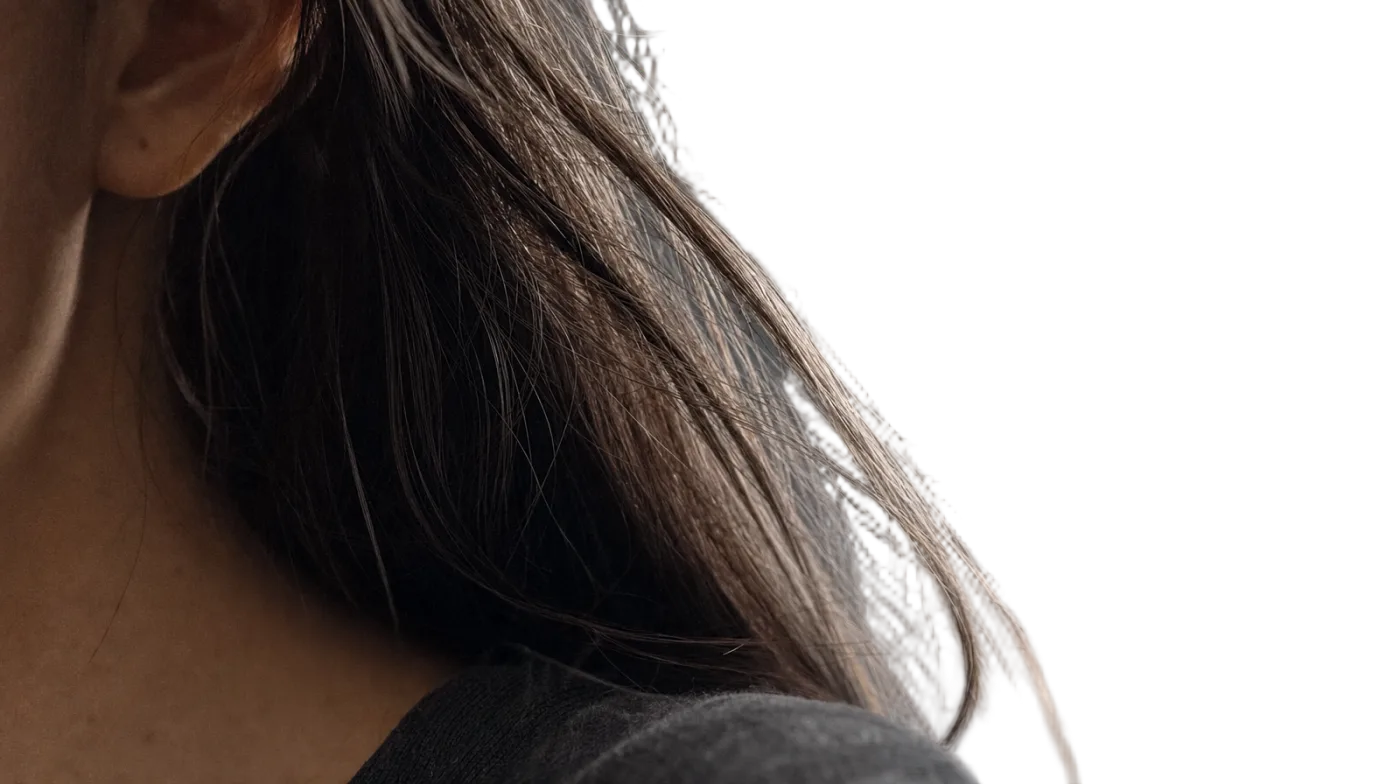
Close crop on individual hair strands preserved against a transparent background
Hair and frayed edges
A subject mid-turn with motion blur, edges held stable across the movement
Motion blur
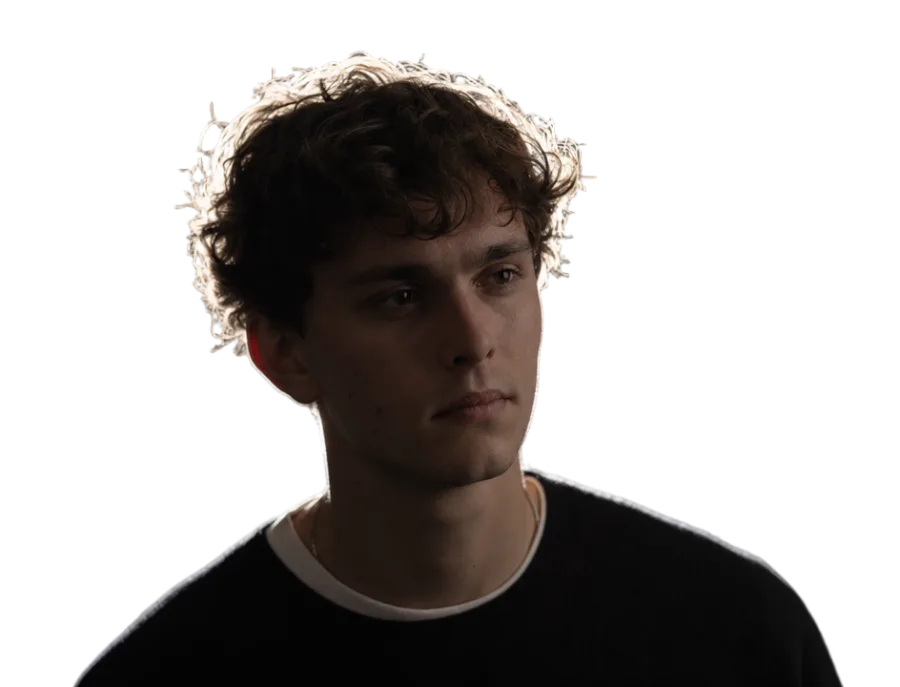
Strongly backlit subject with a rim light, separated from the background
Backlight and rim light

One transparent master, many finished scenes

A transparent master is a video of your subject with the background removed. Think of it as a reusable top layer. You can place a color, photo, product scene, slide, or another video underneath it. The person or product stays the same while the scene changes.

This is useful when you need more than one version of a video. Start with a clean room for your website. Use the same subject over a product display for an ad. Place the subject beside a presentation screen for a tutorial. You do not need to upload the clip again or remove the background again. Open the finished clip in Change Background to add a color, blur, image, or video and export an MP4, or take the transparent file into your editor when the version needs text or a different layout.

Keeping the subject and background separate also makes small edits easier. Move the subject left to make space for a headline. Crop the scene without changing the subject. Replace a photo, update a background color, or change the text while keeping the same performance. This also helps you test different scenes before you decide which version to publish.

Save the transparent WebM as your master file. When you need a new campaign, language, or layout, start with that file instead of the original recording. A simple new scene can be added here and exported as an MP4; an editor is still what you want for text, complex layout or a different frame size. Either way the difficult step of separating the subject is already done.

See how this works for product videos, creator content, and agency projects, or compare all common workflows in the use-case overview.

  • Demonstration still: the subject standing on a transparency checkerboard with nothing behind her, which is what the exported file contains.
    Transparent master
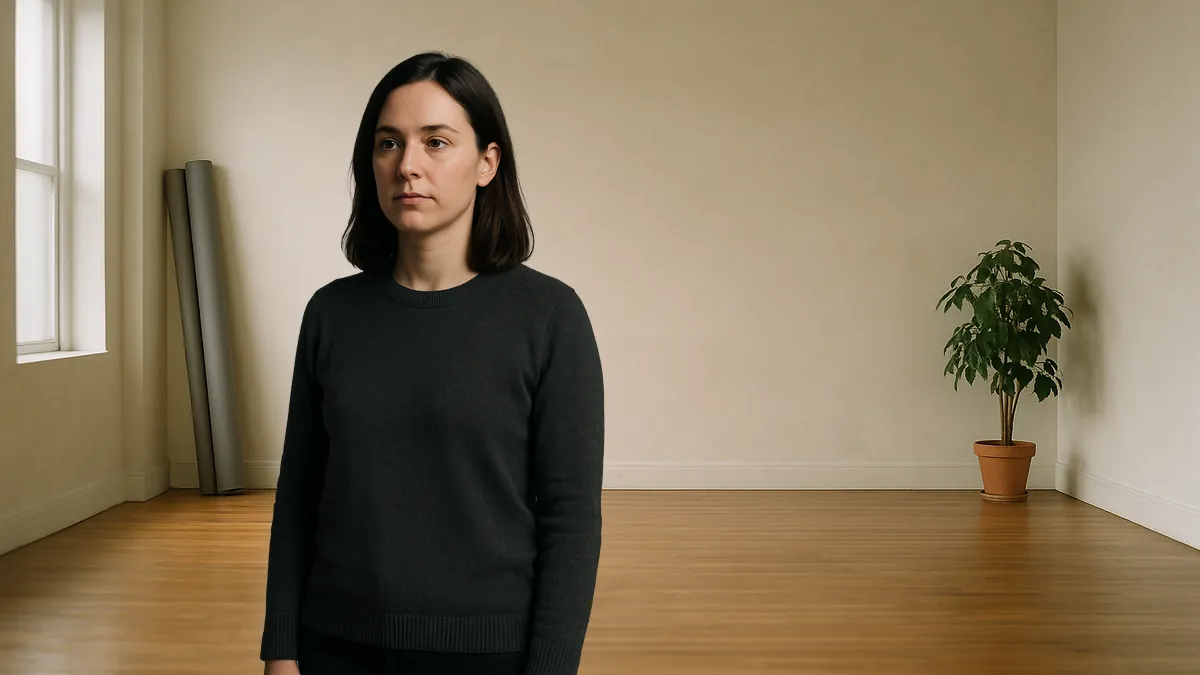
  • The same cut-out subject composited into a daylit studio room, unchanged apart from what sits behind her.
    Over a photographed room
  • The same cut-out subject composited beside a product shelf, at the same pose and edge as the previous scene.
    Over a product set
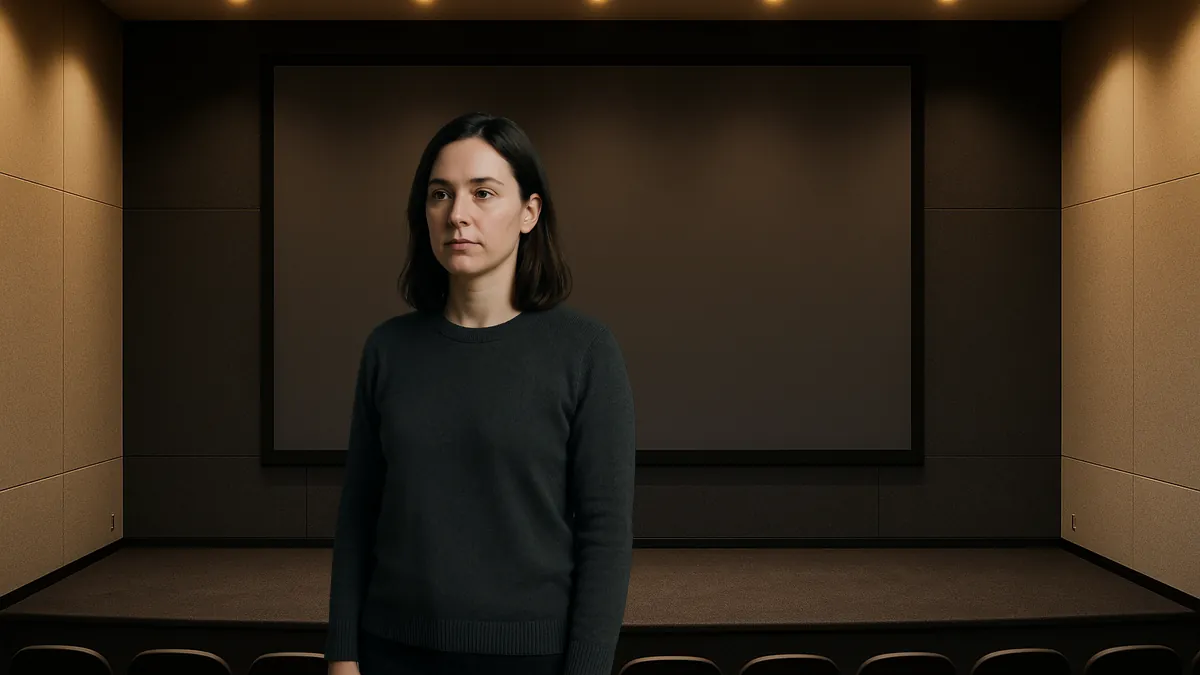
  • The same cut-out subject composited in front of a blank presentation screen, again with only the backdrop changed.
    Over a presentation screen

One cutout, every aspect ratio

One recording may need to fit several screen shapes. A video on a website is often wide. A square post uses a 1:1 frame. A short video for a phone usually uses a tall 9:16 frame. If the background is already part of the video, a quick crop can cut off the subject or leave no space for text.

A transparent video gives you more control. In a 16:9 layout, place the subject on one side and use the open space for a product, slide, or screen recording. In a 1:1 layout, make the subject larger so the frame does not feel empty. In a 9:16 layout, move the subject lower or to one side so captions can stay clear of the face.

This is not the same as stretching one finished video into three shapes. Create a separate canvas for each size in your editor. Add the same transparent WebM to each canvas, then choose its size and position. Add a background that fits the new frame and check that important details are not covered by text or interface buttons. You can also use the open space differently for each channel and message.

BGRemove removes the background and gives you the transparent file. Adding a new scene behind it can happen here, free and as often as you like, and exports as an MP4. What it does not do is build multi-frame layouts for you — reframing, text and per-channel composition are still work you do in an editor. The benefit is that you can use the same recording for a product page, a tutorial, a presentation, a square post, and a vertical social video without filming the subject again.

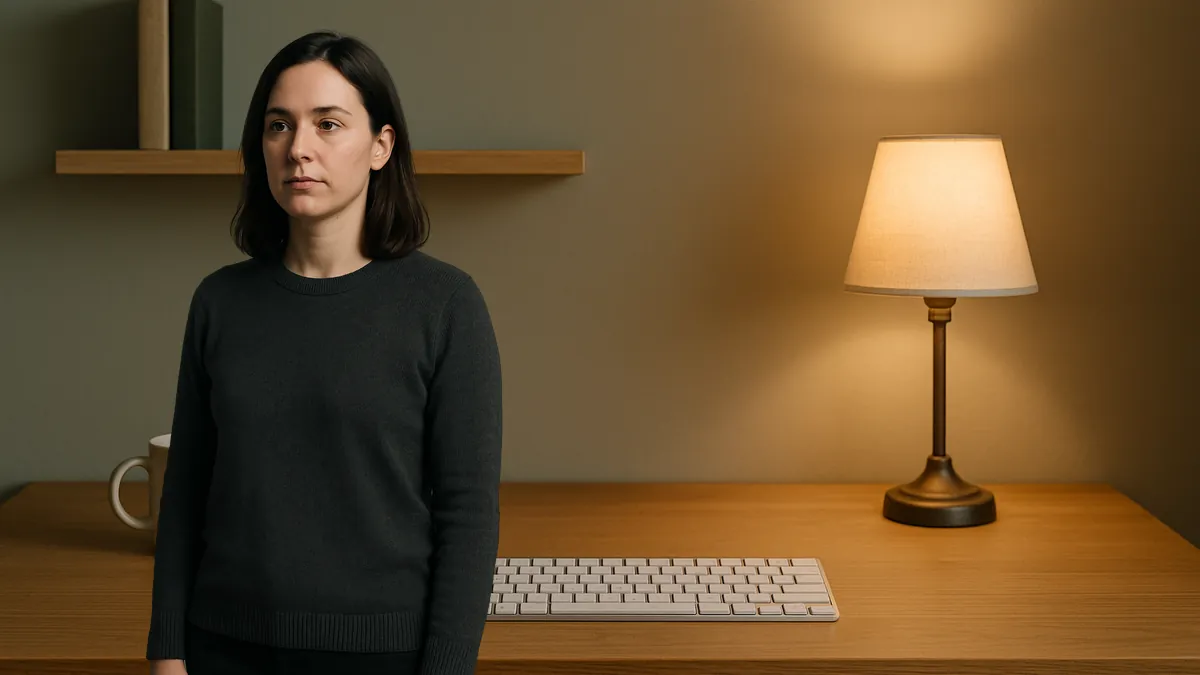
  • The subject placed left of centre in a widescreen frame, leaving the right of the desk scene clear for a headline.
    16:9 — room beside her for a headline
  • The same subject scaled up in a square frame so she fills it, cropped at the hips rather than reframed.
    1:1 — scaled up, cropped at the hips
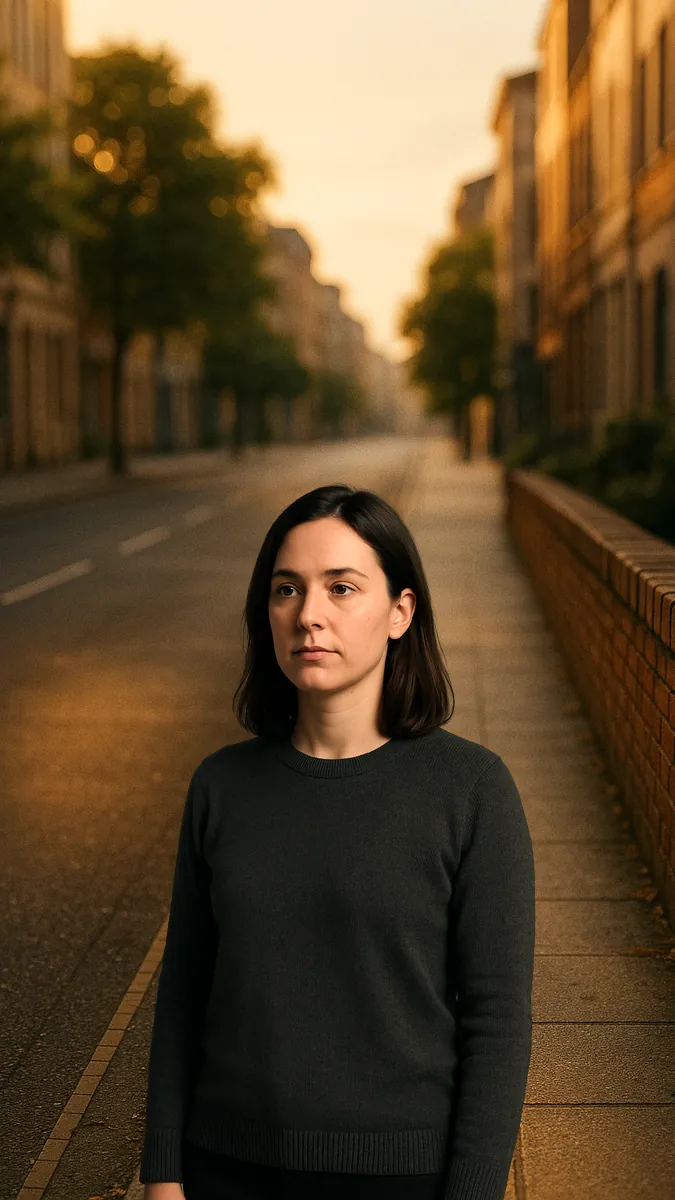
  • The same subject placed in the lower half of a vertical frame, with the upper half of the street scene left clear for captions.
    9:16 — dropped low, captions above

A cleaner handoff from creator to editor

A transparent master makes it easier for one person to record a video and another person to finish it. The creator can focus on the performance. The editor can choose the background, text, and layout later.

The handoff is simple. First, the creator records the clip and uses BGRemove to create a transparent WebM. Next, the editor imports that file into an editing tool and places a color, photo, slide, or video underneath it. The editor can then move or resize the subject without changing the original performance.

If someone asks for a different background, more space for a logo, or a vertical version, the editor can update the layout instead of asking the creator to record the clip again. The subject stays the same. Only the parts around it change.

When the work is approved, the editor exports a normal finished video for each website, presentation, or social channel. Keep three things: the original clip, the transparent WebM, and the final exports. The transparent file is the useful middle step because it can be reused when another version is needed.

BGRemove creates the transparent video and can also add a color, blur, image, or video before exporting an MP4. It does not host team projects, manage versions, collect comments, or build every channel layout. Use an editor when you need text, complex layouts, or different frame sizes.

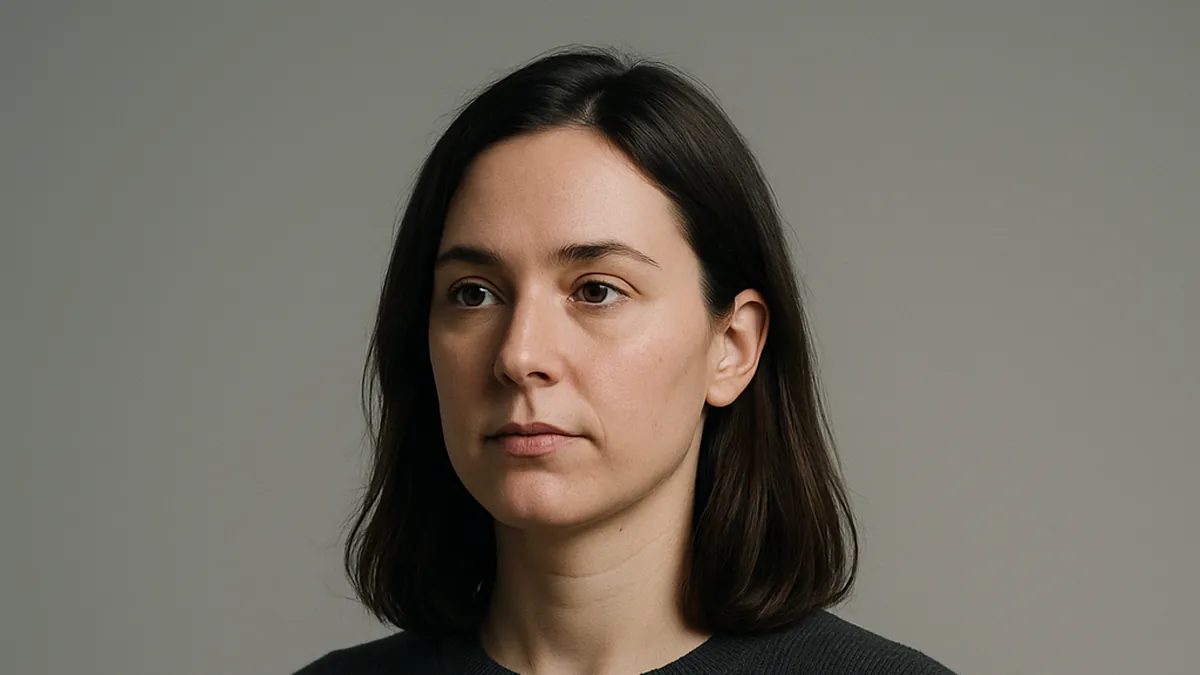
  • Demonstration still of the original footage: the subject against the grey studio backdrop she was filmed on.
    Source clip
  • The same frame after background removal, shown on a transparency checkerboard.
    Transparent master
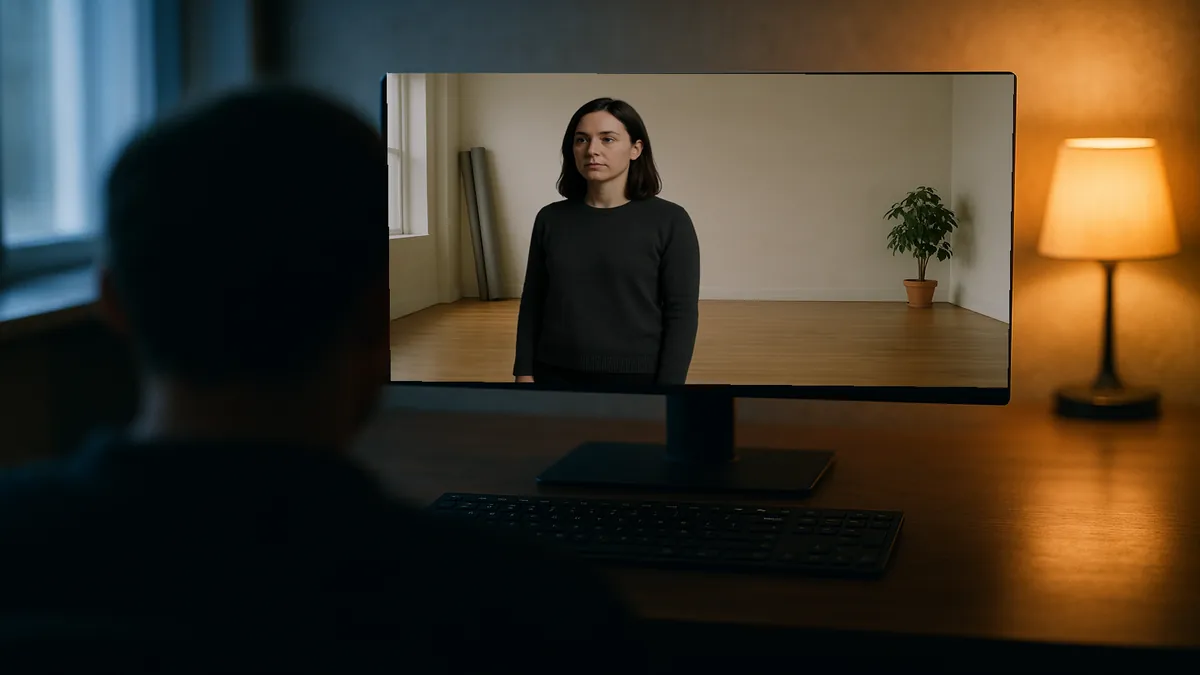
  • An editing desk in a dim room, an anonymous silhouette in the foreground, the composited scene on the monitor.
    Composited in an editor
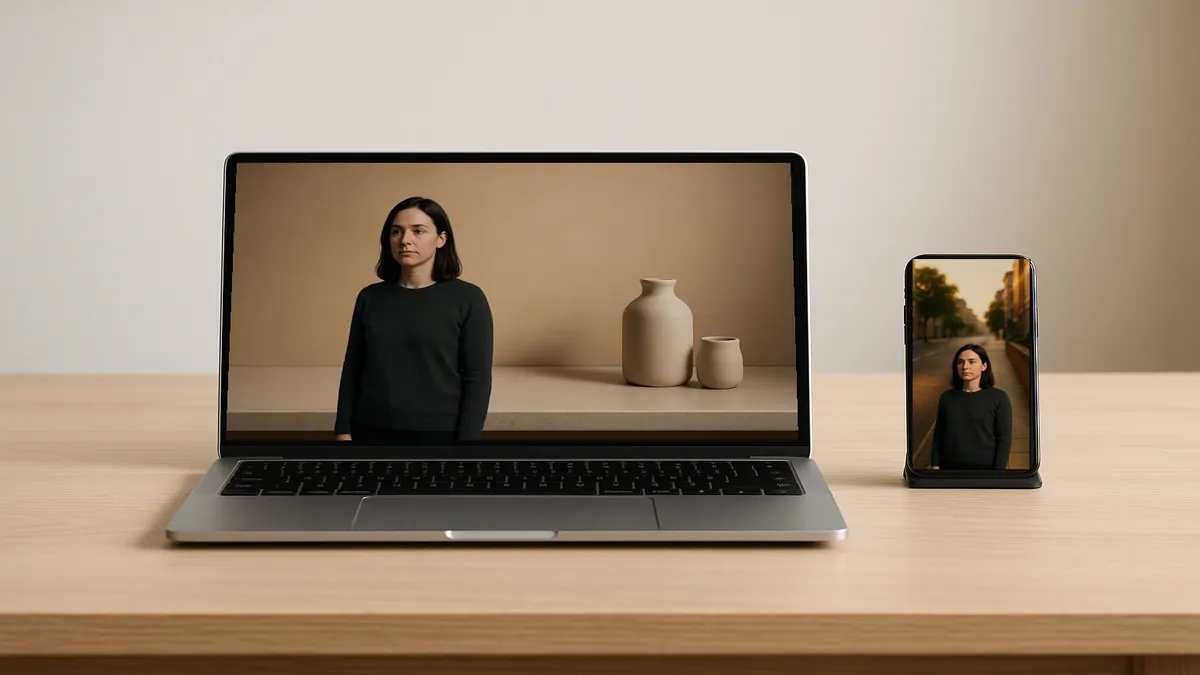
  • A laptop and a phone on a table, showing the widescreen and vertical versions of the same subject side by side.
    Final exports

Demonstration composites. The person in them is generated rather than filmed, no customer footage is involved, and every scene was assembled from a single cut-out subject placed over separate backdrops — which is exactly why she is identical in all of them. They illustrate the workflow; they are not unretouched BGRemove output.

Frequently asked questions

What is an AI video background remover?

A tool that separates the subject of a clip from everything behind it, one frame at a time, and returns a video whose background is genuinely empty rather than filled with a colour. That emptiness travels in the file as an alpha channel: a per-pixel record of how much of each pixel belongs to your subject. What makes it a video tool rather than an image tool run repeatedly is consistency between frames — decide 900 frames in isolation and the edge crawls.

What footage gives the best result?

Footage where you could trace the outline yourself. Separation beats brightness: a metre between a presenter and the wall does more than another lamp on their face. Hair, motion blur and rim light are the demanding cases BGRemove is built for. What stays genuinely hard is glass, heavy overlap between people, and low light where subject and background collapse into the same murky value. None of it needs a green screen, which is the point of removing a video background without one.

Why does my transparent WebM still look like it has the original background?

Usually because playing the file on its own is not a test of whether the background was removed. Opened directly — double-clicked from a folder, or dropped into a browser tab — the player may not apply the video’s alpha channel as expected, and the original colour values are still recorded in the pixels meant to be see-through. That is normal direct playback, not proof the cutout failed. Check it where transparency is actually composited: put the clip on the upper layer of an editing timeline with a solid colour, a still image or another video underneath, and look for the lower layer showing through around your subject. On a web page the browser has to support alpha in that codec and the video element has to sit above whatever should show through; support is not universal, and Mozilla’s codec reference states that Safari does not support alpha transparency in VP8 or VP9. If an editor will not read the file, check that program’s documentation for the transparent formats it officially supports and convert to one of them; Apple, for instance, does not list WebM among Final Cut Pro’s supported formats. Renaming the extension achieves nothing: the container and codec do not change because the filename did.

Can I remove video background without a green screen?

Yes, and that is the whole point of it. The AI finds your subject and separates it from whatever happens to be behind them, so there is no screen to hang, no lights to set up and no green spill to grade out afterwards. Film against your kitchen wall if that is what you have.

Is BGRemove really free without watermark?

Yes. BGRemove currently has no paid plans, subscriptions, credit packs, or paid upgrades. Sign in to process up to 3 videos per 24-hour allowance window and download without a watermark.

What video formats are supported?

Going in: MP4, MOV, WebM, M4V and GIF, up to 60 seconds and 2 GB. Coming out: transparent WebM using VP9 with a real alpha channel, and no watermark anywhere on it. A free account processes up to three successful videos per 24-hour window, and a run that fails does not spend one. Uploads and finished results are both kept for 24 hours and then deleted, so download anything you want before the window closes.

How is BGRemove different from Canva or Adobe?

Canva and Adobe are broad design suites. BGRemove is purpose-built for video background removal, using temporal context across frames to keep edges more stable through motion and returning reusable transparent video for the editor you already use. Tools that run an image cutout on every frame independently produce a flicker you notice immediately even if you cannot name it.

Why do I need to sign in?

An account keeps jobs associated with you, supports access across devices, and makes the 3-video allowance reliable. Failed jobs do not count against it. Sign-in is Google only, which means there is no password here for anyone to steal.

Can I replace the background after removing it?

Yes. Open a finished clip in Change Background, add a color, blur, image, or video, and export the result as an MP4. Background changes are completely free and unlimited. Keep the transparent WebM instead when the background is not settled, when one performance has to appear in more than one place, or when whoever receives the file will composite it themselves — and take it into your own editor when you need text, complex layout or a different frame size.

Your next transparent video is one upload away.

Turn real footage into a reusable transparent video with stable motion edges and a real alpha channel.

3 free videos per 24-hour allowance window. No watermark. No card.